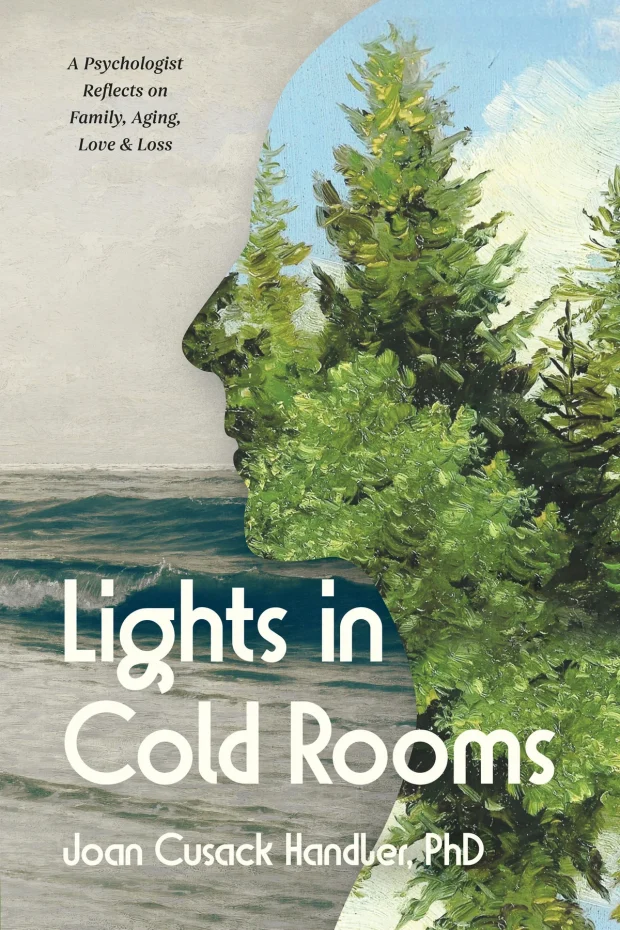


Joan Cusack Handler’s Lights in Cold Rooms is one of the most honest and deeply felt accounts of depression I have ever encountered. As both a poet and a psychologist, Handler offers a rare dual perspective that elevates this memoir far beyond a simple retelling of events. She invites readers into the intimate space of her emotional world with insight that is at once clinical, personal, and poetic. From the first pages, it becomes clear that this is not merely a reflection on mental health, but a testament to the human capacity for resilience and self-awareness.

Joan Cusack Handler’s memoir is exactly the kind of book that stays with you long after the last page is turned. Lights in Cold Rooms is a deeply introspective exploration of depression, aging, and the burdens of family history, written with the precision of a psychologist and the sensitivity of a poet. It offers a level of emotional transparency that is rare in memoirs, allowing readers to witness the author’s internal world with remarkable clarity.