
Top Customer Reviews
By Gray Jacobik on July 13, 2016
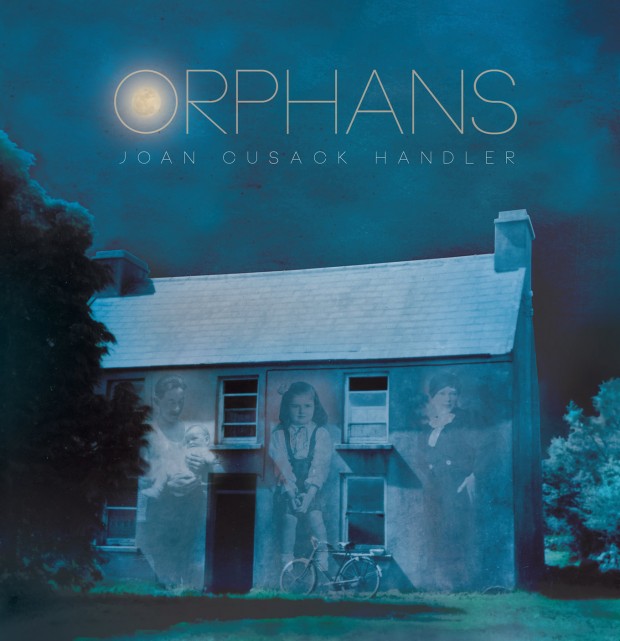
I’ve read and re-read “Orphans” and much of it keeps coming back to me whenever I’m walking or driving or have an idle moment (waiting in a security line at the airport, for example). While composed in different voices, each taking his or her turn, there’s nonetheless a tapestry quality because the poet’s interweaves the speakers’ stories as well as as moves back in forth from the historic-present (the voice of the lyric-I who seems to be writing this while sitting on a beach somewhere) to the distant past, to the near past, to the middling past, and so on. The family history of each generation implicates and shapes the fundamental qualities of the next, especially of the poet’s mother and father. I feel as though I’ve come to know this family, to absorb the gist of it as a family, in a wholistic way, as a gestalt; even though, I know that logically that’s impossible. To me, this sense speaks to the skill of this style of integral storytelling. To name a theme, I’d say “we are our stories and that’s both a blessing and a curse to be damaged by, cherished, and transcended.” I marvel at how the poet conveys, not directly, but as a subtext, how difficult it is to be born into any particular family constellation and thrive, to know and feel all a sensitive person, child and then adult, comes to know and must endure, must come to terms with. In that sense, Orphans strikes me as an heroic tale. I feel elevated in the way that poetry enriches my sensibility (language and perceptions heightened), and in the way memoir enriches my connection to the flow of human history: Orphans is a successful and engaging integration of both genres. It’s gotten under my skin.